
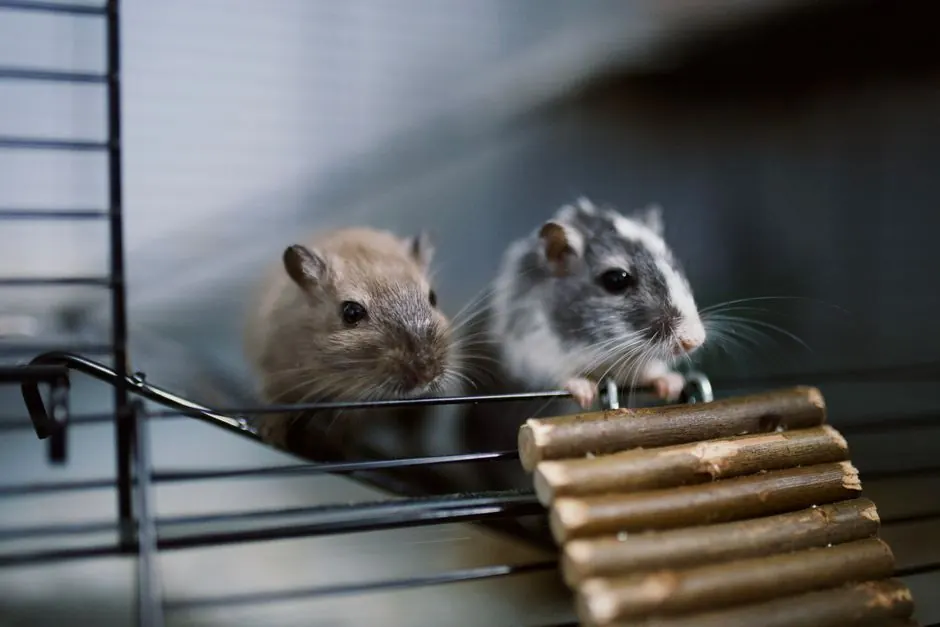
Rodents can pose significant health risks and damage to your home. Preventing them from entering your Broken Arrow home involves understanding their behavior and taking proactive measures. In this article, we'll explore effective strategies to keep your home rodent-free.
Understanding Rodent Behavior
Rodents like mice and rats are notorious for their ability to infiltrate homes. They are driven by their instinct to find food, water, and shelter. Understanding their behavior can help you prevent infestations. For example, rodents are nocturnal, making them more active during the night when they are less likely to be seen.
Additionally, they can squeeze through surprisingly small openings, as their bodies are flexible. A mouse can enter through a hole as small as a dime. This adaptability makes it crucial to inspect your home thoroughly.
Common Entry Points for Rodents
Identifying potential entry points is the first step in rodent prevention. Here are some common areas where rodents may enter:
- Doors and Windows: Gaps around doors and windows can provide easy access.
- Utility Lines: Areas where pipes and wires enter your home.
- Foundation Cracks: Small cracks in the foundation can be a pathway for rodents.
- Vents: Unscreened vents can also allow entry.
In Broken Arrow, older homes may have more vulnerabilities due to wear and tear, making these inspections even more critical.
Effective Prevention Strategies
To keep rodents out, you need to implement a combination of strategies:
- Seal Entry Points: Use caulk or steel wool to seal any holes or gaps you find.
- Keep Food Stored Properly: Store food in airtight containers and clean up spills immediately.
- Maintain Cleanliness: Regularly clean your home to remove clutter where rodents can hide.
- Use Traps: Place traps in areas where you suspect rodent activity.
These methods can significantly reduce the risk of a rodent infestation. If you notice signs of rodents, such as droppings or gnaw marks, it's essential to act quickly.
Maintaining Your Home's Exterior
Your home's exterior plays a vital role in rodent prevention. Consider the following tips:
- Trim Vegetation: Keep bushes and trees trimmed away from the house.
- Store Firewood Away: Keep firewood at least 20 feet from your home.
- Inspect the Roof: Ensure there are no gaps or damaged shingles that could allow entry.
Incorporating these practices will create a less inviting environment for rodents.
What to Watch Out For
Being aware of signs of rodent activity can help you catch infestations early. Look for:
- Droppings around food sources or entry points.
- Gnaw marks on furniture or walls.
- Unusual noises at night.
If you notice these signs, it's time to take action. Many homeowners in Broken Arrow have faced similar challenges, and prompt action is the key to effective rodent control.
When to Call a Professional
Sometimes, despite your best efforts, rodent problems may persist. If you find yourself overwhelmed or unable to manage the situation, it's wise to call in the experts. Professional rodent control in Oklahoma can provide targeted solutions and ensure your home is thoroughly inspected and treated.
Frequently Asked Questions
How can I tell if I have a rodent problem?
Common signs include droppings, gnaw marks, and strange noises at night. If you notice these, it's essential to investigate further.
What are the best traps for rodents?
Snap traps are effective for quick kills, while live traps can capture rodents without harming them. Choose based on your preference and situation.
Can I use homemade repellents?
Some people find success with homemade repellents like peppermint oil, but their effectiveness can vary. It's often better to combine methods for best results.
How often should I check for rodent activity?
Regular inspections, at least once a month, can help you catch any signs of rodent activity early.
What should I do if I see a rodent during the day?
Rodents are usually nocturnal, so seeing one during the day can indicate a larger problem. Take immediate action to inspect and address potential entry points.